Coatings and Microstructures Explained
High-gloss lacquer, catalyzed varnish, ceramic clear coats, PVD layers, and anodized oxide films look visually simple, yet their microstructure dictates how they react to heat, moisture, fingerprints, and chemicals. Understanding crosslinking, film thickness, and substrate interaction reveals why some surfaces resist stains but swirl easily, while others shrug off abrasion yet dislike alkalinity. A little science helps you clean gently, polish wisely, and decide when preventive steps beat restorative heroics.
Gloss, Sheen, and Texture
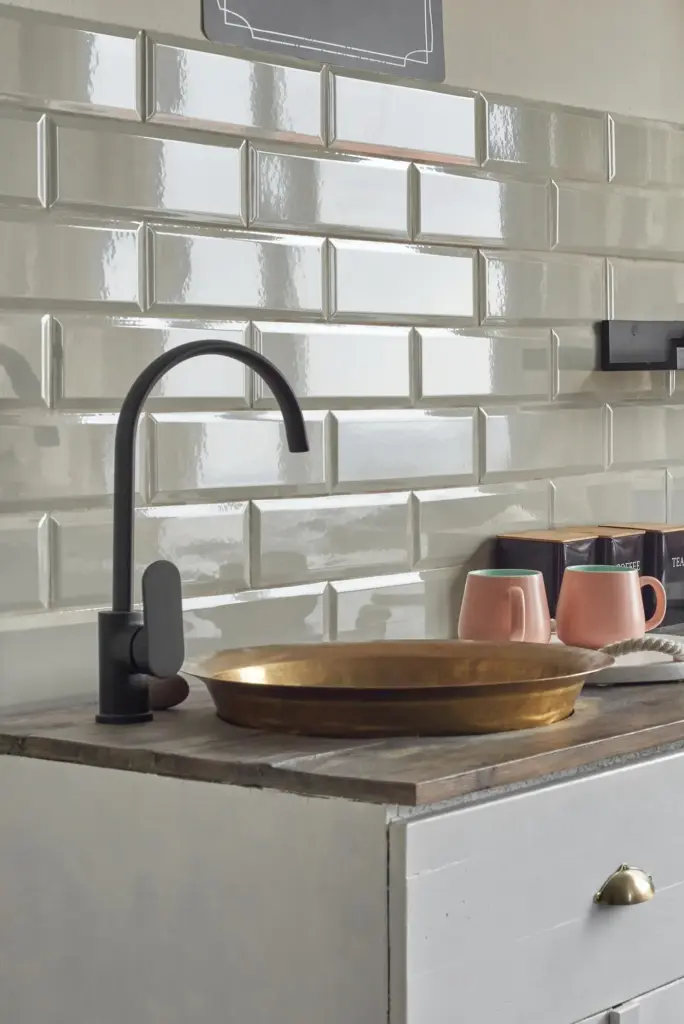
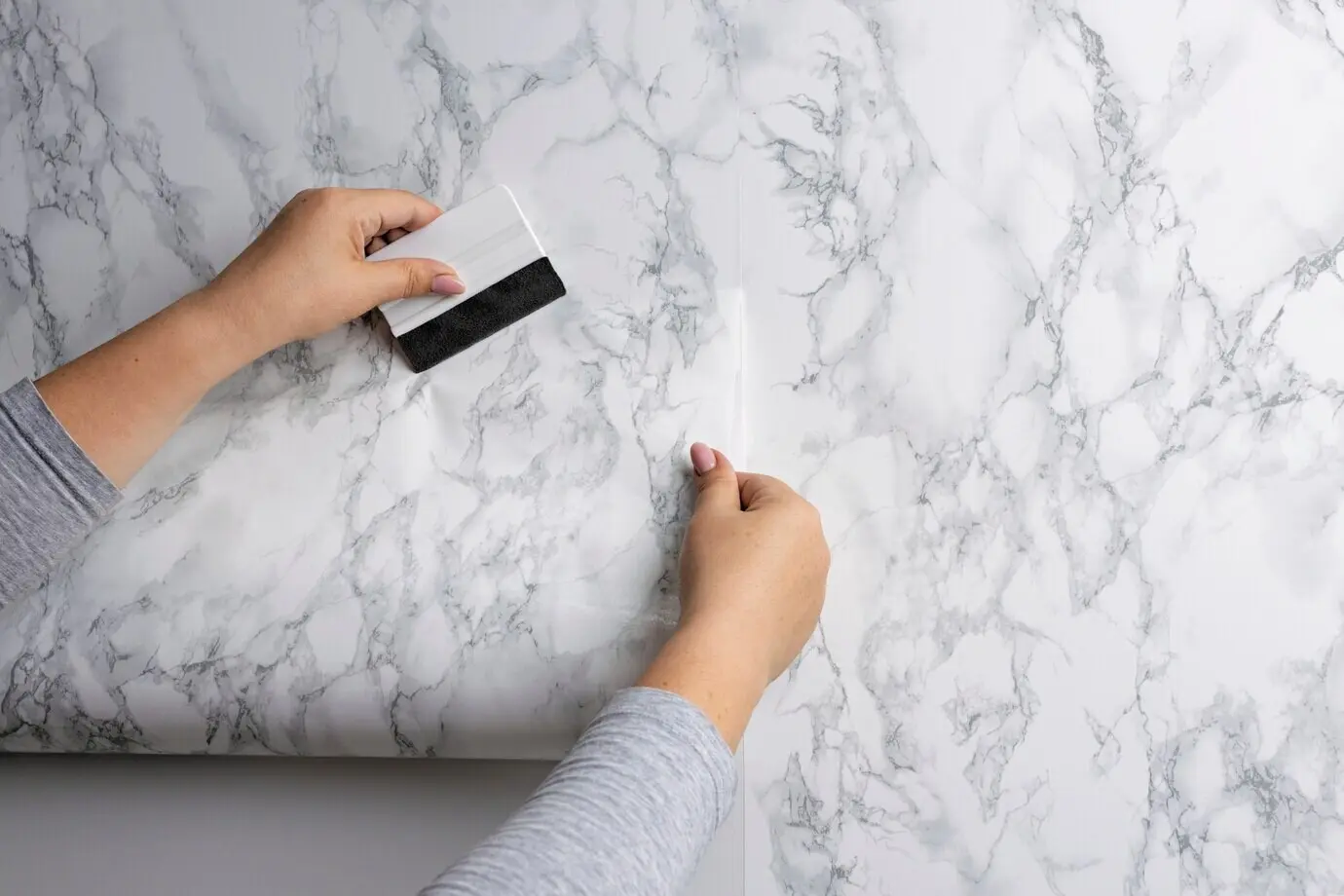
Gloss readings, measured at specific angles, determine how dramatically light reveals flaws. Mirror-level gloss showcases breathtaking depth but also highlights the faintest halo. Satin hides more but can be burnished shiny by repeated rubbing. Matte micro-textures scatter light, making fingerprints visible and polishing risky. Tailoring your routine to sheen—using non-burnishing wipes, controlled pressure, and soft-water rinses—preserves intended character while minimizing uneven shine, dull patches, or distracting optical artifacts.
Common Vulnerabilities
Acid etches calcite-rich stone; chloride solutions pit stainless steel; ammonia clouds lacquer; powdered cleansers drag grit that creates holograms. Heat softens certain polymers, while UV slowly embrittles others. Even tap water leaves minerals that spot and bake on. Mapping these vulnerabilities sharpens judgment: rinse thoroughly, neutralize promptly, and avoid stacking incompatible chemicals. Small preventative choices—coasters, felt pads, and clean microfiber—stack up into long-term protection that looks effortless yet proves profoundly effective.