Everyday Interiors, Finished the Earth‑Kind Way
Low-VOC and Zero-VOC Paints
Mineral Coatings and Limewash
Natural Oils and Waxes
Understanding Materials the Sustainable Way
Healthy Walls and Ceilings
Breathable Plasters for Gentle Comfort
Recycled Gypsum and Low-Formaldehyde Panels
A Nursery Refresh That Breathed Easier
Floors That Respect the Planet
Cabinetry and Furniture Finishes
Milk Paint’s Soft, Lived-In Character
Casein-based milk paint brings a velvety, chalky quality that celebrates brushwork and subtle layering. It excels on solid wood and accepts natural wax or waterborne topcoats for added protection. In a breakfast nook makeover, a set of mismatched chairs found harmony with two coats and a gentle burnish, inviting relaxed breakfasts and weekend reading. The finish breathes, touch-ups blend easily, and colors feel grounded. Consider light distressing along edges to coax history forward. This approachable material nurtures creativity while keeping air pleasant for pets, kids, and morning coffee rituals.
Waterborne Lacquers with Modern Clarity
Advances in waterborne technology now deliver clarity, scratch resistance, and quick recoat times, all with minimal odor. Spraying demands preparation and proper masking, yet cleanup is simple with water, not harsh solvents. A small workshop we visited improved safety and reduced waste after switching systems, while clients noticed a fresher smell at delivery. Sheen selection influences fingerprints, so satin remains a popular choice for busy families. Pair with low-emission primers and controlled airflow for consistent results. The workflow becomes calmer, faster, and more considerate of everyone sharing the space.
Metal Finishes Without the Fumes
Powder coating fuses color to metal through heat, producing a tough, uniform finish without solvents. Vintage stools and shelf brackets revive beautifully, and color choices span calm neutrals to cheerful accents. Because overspray is often recyclable, waste drops dramatically compared to conventional systems. A neighbor updated a flea-market lamp base, choosing a muted sage that grounded a reading corner instantly. Pair powder-coated pieces with responsibly sourced wood tops or recycled glass shelves for a balanced, durable composition. Maintenance is straightforward, relying on gentle soap and soft cloths rather than aggressive chemicals.
Kitchens and Baths, Simplified and Safe
Tile Choices with Recycled Beauty
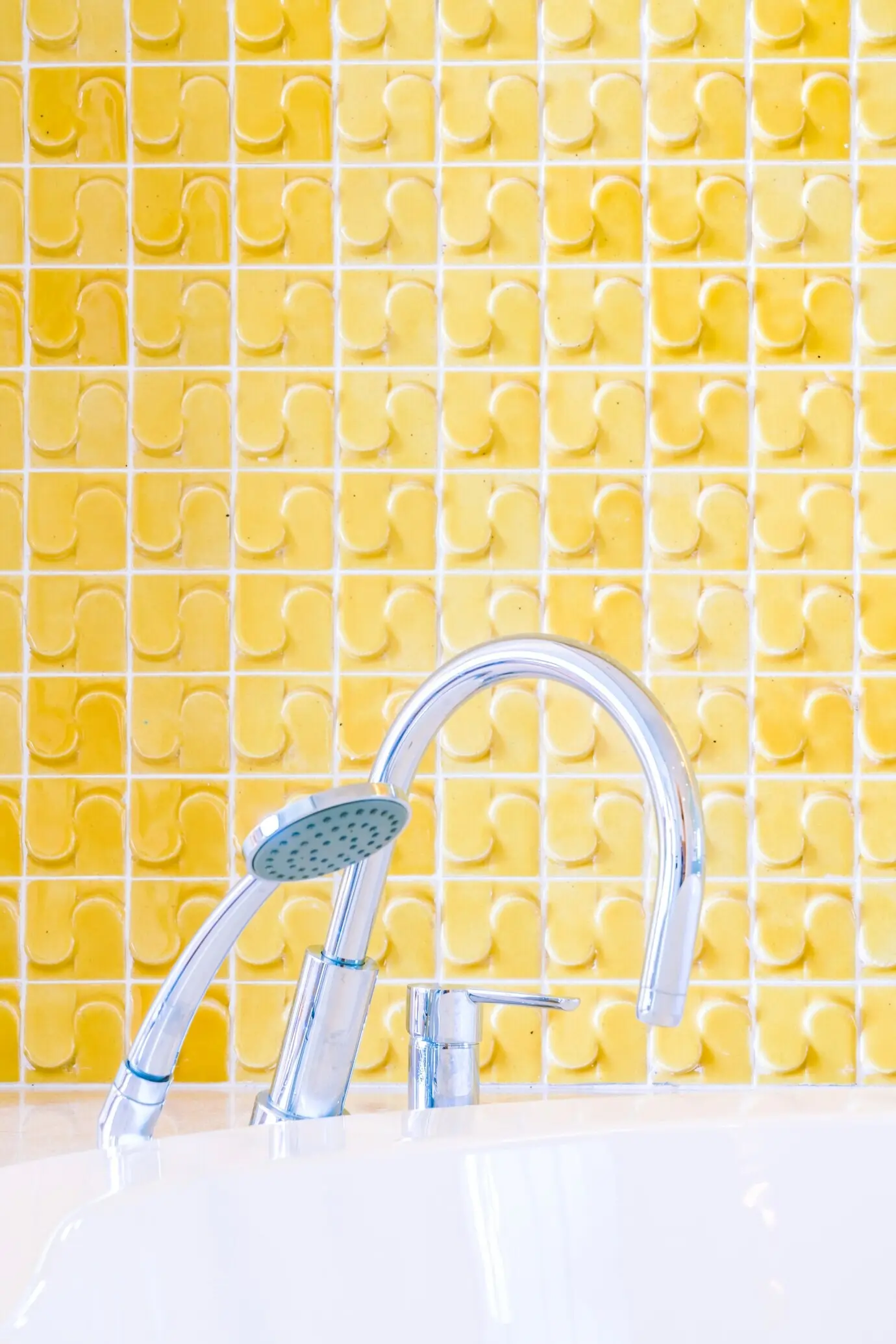
Tiles containing recycled glass or reclaimed clay bring depth and subtle variation that mass-produced surfaces rarely match. Choose cement-based thinsets with transparent disclosures, and compare grout options honestly. Traditional cement grout breathes and repairs easily, while epoxy offers superior stain resistance for very busy zones. One family mixed two pale tones to disguise crumbs between cleanings, then sealed once a year with a low-odor product. Edges stayed crisp, and weekend maintenance felt manageable. Responsible materials and practical habits share credit for surfaces that look cared-for without constant scrubbing.
Worktops You Can Trust Daily
For light, quiet kitchens, consider linoleum on FSC-certified plywood, treated with natural finishes for resilience and easy repair. Recycled-content solid surfaces resist stains and offer smooth, hygienic seams, while butcher block finished with food-safe oils invites honest wear and warm touch. In our tests, coffee rings lifted with gentle soap and water within minutes. Avoid aggressive cleaners that strip protective layers, and maintain cutting boards separately to extend life. The goal is a forgiving surface that ages gracefully, supports cooking routines, and remains calm even during hectic mornings.
Budget Planning with Real Impact
Prioritize finishes you touch daily and see constantly, such as handles, countertops, and entry walls. Phased upgrades stretch funds without compromising health, while utility rebates sometimes support low-emission products. Paint calculators reduce waste, and borrowing specialty tools avoids unnecessary purchases. A couple we coached saved by refinishing a vanity rather than replacing it, redirecting funds to breathable plaster in the bedroom. The space felt calmer, and their spreadsheet did too. Transparent decisions, documented quotes, and a simple schedule keep projects on track without forcing uncomfortable compromises.
Care Routines That Preserve Beauty
Gentle, regular care beats dramatic interventions. Use pH-neutral cleaners, soft cloths, and microfiber mops to protect finishes and indoor air. Re-oil wood at sensible intervals, refresh wax where traffic scuffs appear, and note seasonal humidity changes. One household introduced a shoe tray and door mat, immediately reducing grit that scratched floors. Small habits compound into longer lifespans and calmer weekends. Keep products labeled and safely stored, and teach family members simple techniques. Shared knowledge turns maintenance into a quick, satisfying ritual rather than a dreaded chore lurking at the end of the week.
When Things Go Wrong, Stay Calm
Stains, peeling, and efflorescence happen. Identify the cause before reacting, because sealing over moisture or incompatible layers creates larger headaches. Test inconspicuous spots, document steps, and seek professional advice for structural issues or suspected lead paint. We helped a neighbor reverse blistering by improving ventilation and allowing full cure time before recoating. They avoided unnecessary sanding and toxic strippers entirely. Patience, clean tools, and honest diagnostics restore trust in the process. Setbacks become learning, and your interior steadily becomes more resilient, practical, and truly welcoming day after day.
Design Joy: Color, Texture, and Light